
How do we find strength in hard times?
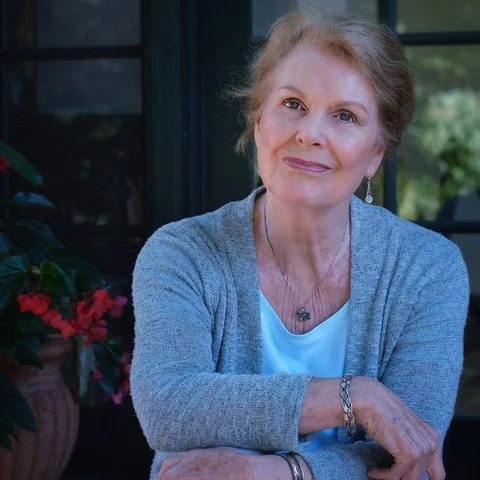
INSPIRED BY Hendricka de Vries, author of Open Turns: From Dutch Girl to New Australian, 2025
Sometimes our inner strength reveals itself in unexpected places. For teenaged Hendrika de Vries, that place was a swimming pool in 1950s Australia. As post-war immigrants fleeing memories of Nazi-occupied Amsterdam, she and her family were viewed as outsiders. Although tremendously relieved to be reunited and to have survived when so many in Holland did not, belonging mattered, especially to an adolescent girl whose worldview was forever changed by the terrors of war.
I recently listened to Hendrika's interview on Behind Beautiful Things with host Kevin Crispin, a podcast that "features kind, generous, empathetic guests who share stories of some of the most difficult times of their lives."
A powerful image from her youth frames her new memoir, Open Turns: from Dutch Girl to New Australian, and stays with me: "When we were all in the water, just swimming, our differences just melted away." In this post, I will explain more about what this image means to Hendrika, as well as to our question, “How do we find strength in hard times?”
In her book, Hendrika reflects back in time to answer what became a central question throughout her life: How can we acknowledge our traumatic experiences and still embrace new beginnings?
Now remarkably in her 80s, her journey has led to helping others discover their inner strength. She writes from her dramatic personal experience and her decades as a depth psychology psychotherapist, as one who has transformed personal trauma not only into resilience, but into wisdom.
Layers of Change
Most stories of change have many layers. Hendrika's life demonstrates how distinct chapters are shaped not only by place and time, but by the social and cultural forces surrounding us. Understanding the complexities of these layers often comes only with hindsight.
I'm fortunate to know Hendrika as both colleague and true friend. She laughs easily and embraces everyday love and beauty. Yet she never shies away from difficult memories.
We first met for lunch years ago, having both taught at Pacifica Graduate Institute where we explored the universal dimensions of human experience through psychologies of the unconscious such as in dreams and myths.
Over lunch in what became "our" Mexican restaurant, we dropped into a sense of timeless connection with each other. As we shared aspects of our private practice trauma work with clients, I experienced her as someone who processes difficult truths without letting them hold her back. She exemplifies genuine resilience, not the “I’m fine,” pseudo-resilience that falsely denies reality. I have known her for many years now as someone who moves through life with both grace and grit.
Hendrika has authored two powerful memoirs that I highly recommend. The first, When a Toy Dog Became a Wolf and the Moon Broke Curfew, relates her childhood during the Nazi occupation of Holland. Her second book, Open Turns: From Dutch Girl to New Australian, released September (2025), explores how swimming became her salvation during her family's post-war immigration.
The Pool as Sanctuary
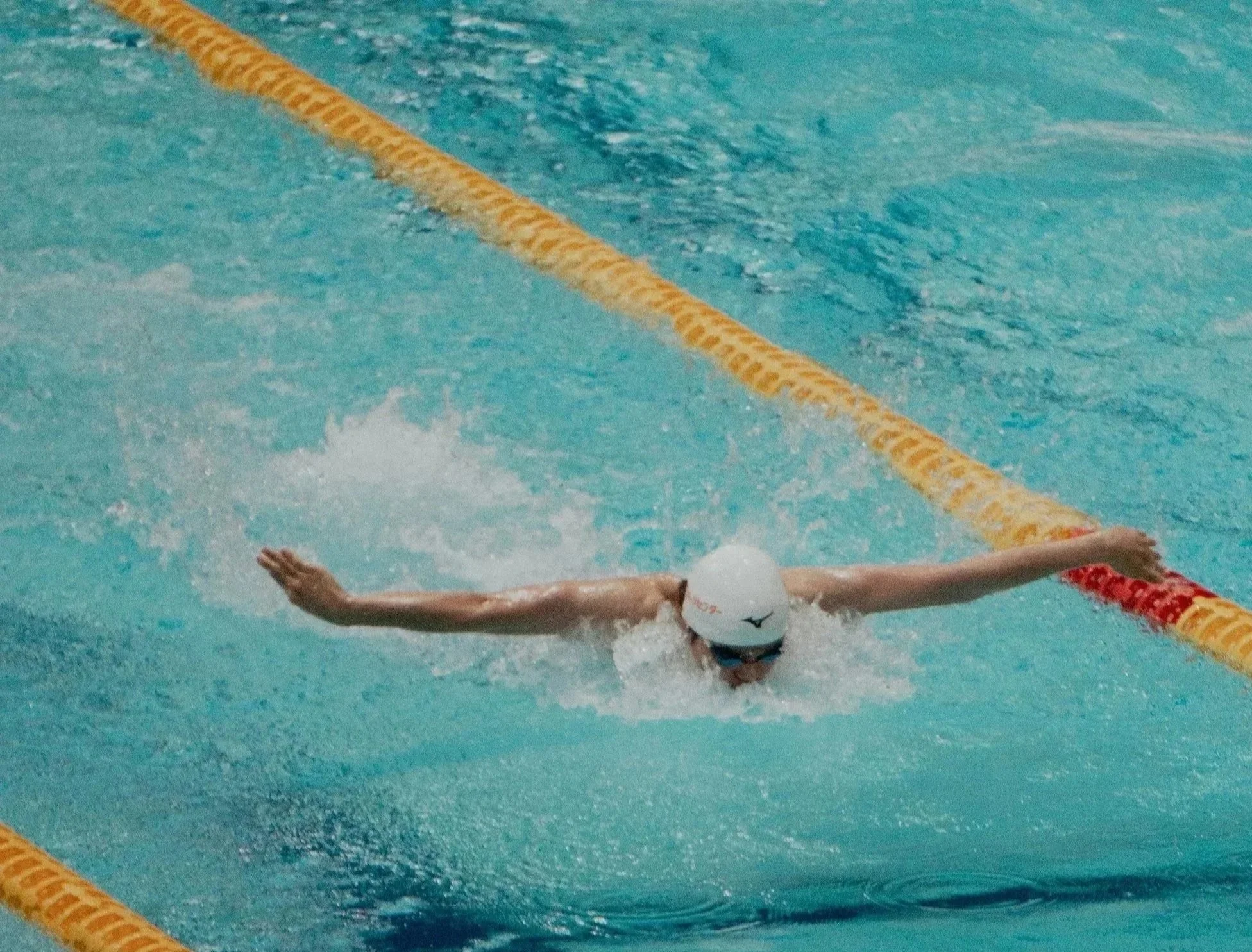
In Open Turns, Hendrika weaves together swimming's literal and symbolic meanings. The title references the breaststroke turn—that vulnerable moment when you must touch the wall before pushing off in a new direction. It perfectly captures a model for how we successfully navigate life's transitions.
As a teenager in 1950s Australia, Hendrika faced being an immigrant where newcomers were frequently met with resentment. The post-war world also imposed rigid ideas about femininity. Yet it wasn’t that way for her in the swimming pool.
"I believe in sports for young people," she reflects in the interview. "They bring us together, form a community." In the pool, she wasn't the Dutch girl with an accent carrying invisible scars. She was simply a body moving through water, finding strength with each stroke. Practicing and competing with others gave them commonalities. The pool became a place where differences that seemed insurmountable on land simply melted away.
Writing Through Resilience
The 1950s presented immigrant families with impossible choices: assimilate while being told you don't belong, leave trauma behind while building entirely new lives. Hendrika found herself processing a past that couldn't be forgotten and a present demanding she become someone new.
What strikes me about Hendrika's approach is how she transforms difficult emotions into forward motion. Writing Open Turns as a mature woman, she gave her adolescent self an authentic voice, not suppressing anger at injustice or displacing it, but using these emotions to gradually build strength. Swimming became both literal movement and metaphorical practice for life's challenges.
Lessons for Our Time
Hendrika's early experiences carry wisdom that’s applicable to difficult situations today. It’s easy to cast others as outsiders, to forget our shared humanity.
She reminds us to stay mindful about what’s happening to our immigrant neighbors, to resist our own denials. She recalls how in 1930s Amsterdam, people dismissed warning signs of the coming Holocaust: "This isn't so bad, it's happening to those people, not me."
Speaking to school groups, she often quotes Anne Frank, whose family hid from the Nazi government just blocks from where Hendrika lived in wartime Amsterdam. "First we make our choices, then our choices make us." She explains that we co-create our destiny through daily decisions: whether to extend compassion or turn away, whether to acknowledge hard truths or seek distance with denial.
Where Differences Dissolve
The image of the pool stays with me, that space where differences dissolve not because they don't matter, but because what we share matters more. In water, we all must breathe, move, find our way forward stroke by stroke. Hendrika's memoirs show us how connection and community emerge in unexpected places, especially when we need them most.
Hendrika de Vries doesn't just tell stories of change, she embodies them. Her message resonates now more than ever: connect with kindness and resilience rather than fear and resentment. The strength we need already lives within us, helping us find where our common humanity becomes more visible than our differences.
Her work reinforces why “Stories of Change” exists, to explore how we navigate transitions more effectively, finding spaces where connection transcends division. In Hendrika's story, that space was water. Finding spaces for ourselves will look different. But the principle remains: when we find places where differences dissolve, we discover not only our own strength but our capacity to help others find theirs.
Where have you found spaces that dissolve differences?
Here’s Hendrika de Vries’ website with ordering information for her books. Her memoir, “Open Turns: From Dutch Girl to New Australian,” is available in early September 2025 and can be ordered wherever books are sold. Her first book, “When a Toy Dog Became a Wolf and the Moon Broke Curfew,” is also widely available by order.
To hear the full interview, “July 28, 2025 - Hendrika: From Nazi-Occupied Amsterdam to a New Life: A Story of Courage, Immigration & Healing | 150", visit the podcast, Behind Beautiful Things with Kevin Crispin.
Your privacy matters. Unsubscribe anytime. Your information is never shared.
Pool photo courtesy of Taiki Ishikawa.
I first posted this story on my newsletter, “Stories of Change,” which you’ll find at Substack. If you’re not already a subscriber, sign up here for free to receive new posts and support my work.